


If Cantabria already captivates you with its lush landscapes, endless mountains, and wild coastline, get ready: its gastronomy will win over anyone. This northern Spanish region masterfully combines the best of land and sea, creating dishes rich in history, tradition, and authentic flavor.
From the Cantabrian coast to the inland valleys, Cantabria is a land of extraordinary quality products: fresh fish, seafood, Tudanca beef, legumes from Liébana, and garden vegetables such as the peppers from Isla… A privileged pantry that nourishes an honest and surprising cuisine.
Furthermore, its restaurants—including several Michelin-starred establishments, most notably El Cenador de Amós with three Michelin stars—turn every meal into an experience that goes far beyond simply eating.
Must-Try Dishes
- Cocido Montañés: The warm embrace of the north. This signature dish of the Cabuérniga Valley and all of Cantabria is a hearty stew of white beans, collard greens, and compango (chorizo, blood sausage, pork ribs, and bacon), perfect for cold days. Pair it with a generous slice of bread to soak up every drop of its delicious sauce.
- Cocido Lebaniego: Tradition and flavor in every spoonful. Originating from Liébana, this dish combines chickpeas from Potes, potatoes, and compango meats (chorizo, bacon, cecina, and knuckle bone). Some versions include a bread, egg, and parsley stuffing, making each bite an explosion of taste.
- Sorropotún: Cantabria’s version of marmitako. A fisherman’s stew made with tuna, potatoes, green pepper, onion, tomato, and rustic bread, perfect for celebrating coastal village festivals. In Santoña, the famous “Gran Marmitada” takes place, while in San Vicente de la Barquera it is known as sorropotún.
- Rabas: The crispy appetizer that never fails. Strips of squid (or cuttlefish) battered and fried, crispy on the outside and tender on the inside. Found on nearly every seaside terrace, ideal with a vermouth or an ice-cold beer.
- Santoña Anchovies: An international delicacy. Cantabrian anchovies are a true gastronomic treasure. Handmade and preserved in olive oil, their unique flavor is famous worldwide. Beyond Santoña, they are also produced in Colindres, Castro, and Laredo.
- Beef Tenderloin with Tresviso Cheese: Sophistication with local flavor. This dish combines tenderloin with a creamy sauce of Tresviso cheese, cream, and white wine. Simple, elegant, and absolutely delicious.
Cantabrian Cheeses with DOP
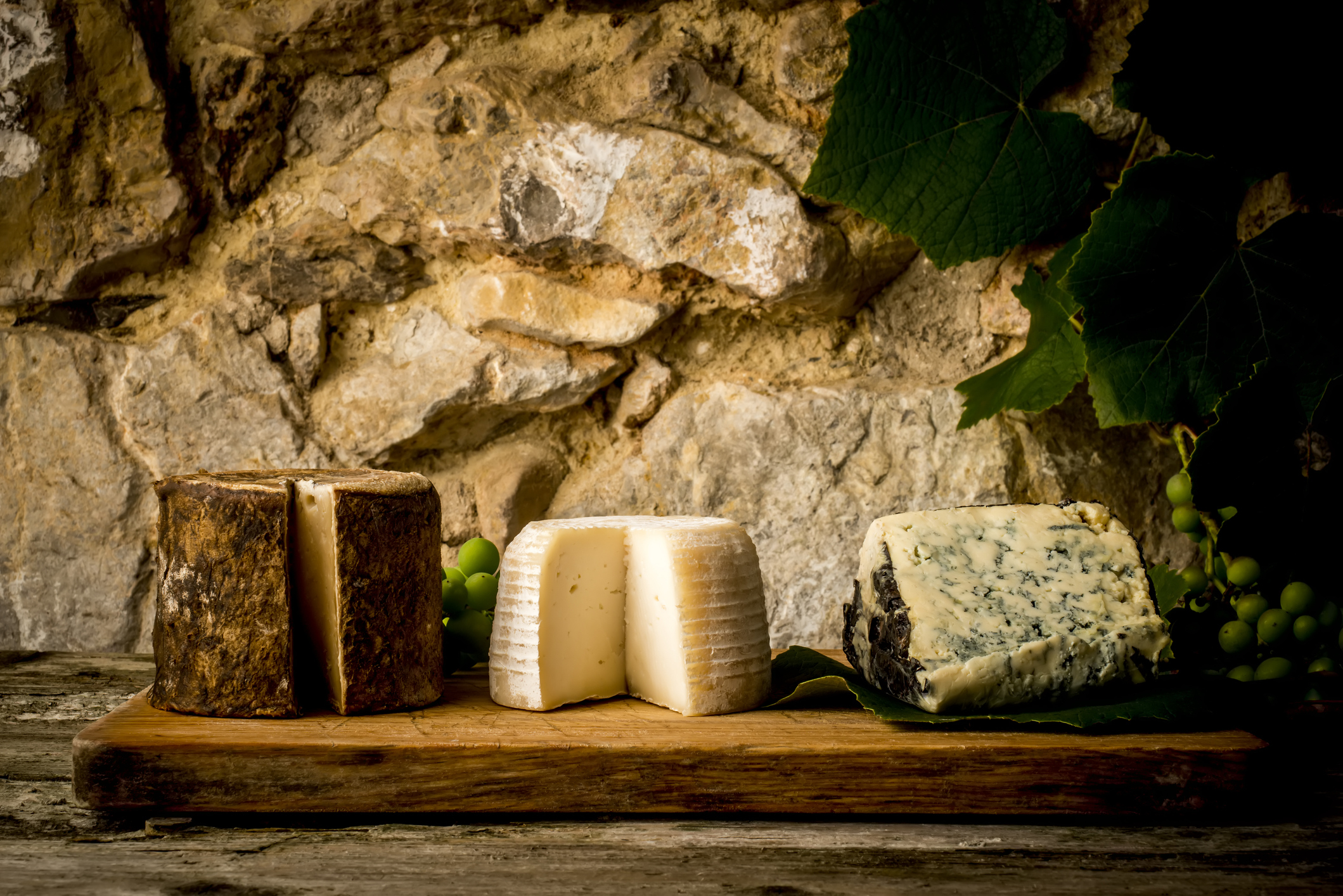
Cantabrian cheeses deserve a special mention. All hold Protected Designation of Origin (DOP) status, guaranteeing that they are produced, transformed, and crafted in the region that gives them their name, preserving their quality, unique flavor, and connection to the land.
Some of the most representative include:
-
Picón Bejes-Tresviso: A blue cheese, intense and creamy, made in the heart of the Picos de Europa.
-
Queso Nata de Cantabria: Soft and creamy, made from local cow’s milk.
-
Quesucos de Liébana: Small cheeses made from cow, goat, or sheep milk; perfect with bread or on a tasting platter.
Cantabrian cheeses can be enjoyed in many ways: on their own, with good bread, paired with a local wine, or as part of a pre-dessert cheese board.
Traditional Sweets
To finish, nothing beats Cantabria’s traditional sweets, which put the perfect finishing touch on any meal or gastronomic experience:
-
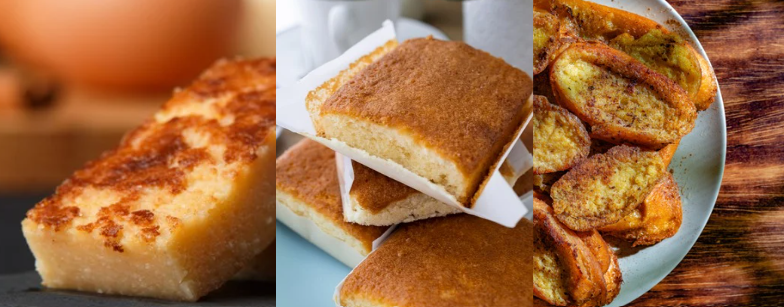
Sobaos Pasiegos: Soft sponge cakes made with butter, eggs, sugar, and flour, renowned throughout Spain.
-
Quesada Pasiega: Made with milk, eggs, butter, and sugar, this dessert originates from traditional Pasiego cheese.
-
Polkas de Torrelavega: Light, crispy puff pastries typical of the Besaya capital, glazed to perfection, making them one of Cantabria’s most emblematic sweets.
These desserts can be enjoyed with Orujo de Liébana or a coffee, completing a journey of flavors between sea and mountains.
Photos|Gama5 ; SylviePM ; Jose Gonzalez Buenaposada; chekyfoto; Miguel Habano